Cherry selection
Only cherries measuring 21–23 °Bx are accepted for processing and kept separated by lot.
The NATCHA processing mind
NATCHA’s core expertise is controlled carbonic maceration with selected yeast cultures. Before NATCHA was released, this discipline was refined through seven years of R&D - a quiet pursuit of aroma, texture and finish for distinctive lot objectives. For the numbered NATCHA lots, wine is not added to the coffee and the finished process is 0% alcohol. NATCHA X is deliberately separate: a small amount of alcohol comes from the Kweichow Moutai used in its co-fermentation.
The NATCHA Method
Follow the verified sequence through cherry selection, controlled fermentation, drying, sorting and export preparation.
Choose subtitles in the video player: Bahasa Indonesia, Simplified Chinese, Japanese or Arabic.
Fermentation becomes commercially useful when creative development is matched by documentation, separation and disciplined handling.
NATCHA selects a process path for each lot, then manages the variables that materially shape it: cherry condition, time, temperature, yeast, carbon dioxide, fermentation stage, drying and sorting.
The fermentation stages are monitored deliberately through the cold-temperature programme and stopped only after the intended cup profile has formed. That restraint is part of the seven-year R&D foundation behind NATCHA's release, with development still continuing lot by lot.
Exact parameters vary by lot. The current specification gives buyers the confirmed information needed to evaluate each available coffee.
Representative workflow
The sequence below describes the established NATCHA process framework. Individual lots may use different durations or selected stages.
Only cherries measuring 21–23 °Bx are accepted for processing and kept separated by lot.
A controlled 65°C stage runs for about six hours where the lot protocol requires it.
Following the heated opening stage, the lot is rehydrated under its documented protocol before pulping.
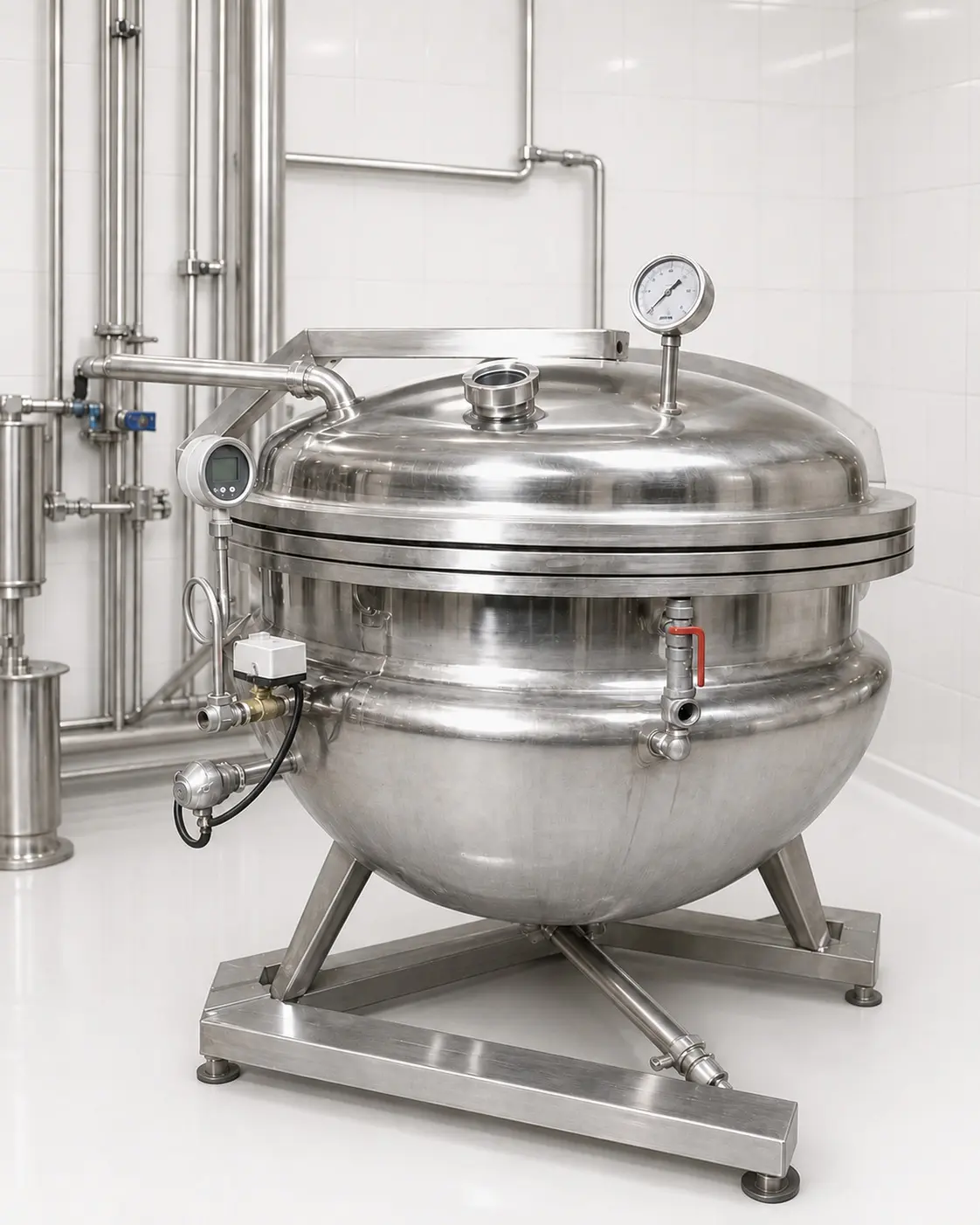
The rehydrated cherries are pulped. Wet parchment and the separated cherry-skin and pulp material then move into the sealed tank.
Wet parchment, mucilage and separated cherry-skin and pulp material enter a 0% oxygen CM tank with the lot's selected yeast culture. For the numbered NATCHA lots, no wine is added and the finished process is 0% alcohol; NATCHA X is the Kweichow Moutai co-fermentation exception.
Fermentation runs through multiple stages between 3 and 16°C. NATCHA meticulously monitors each cold stage and stops fermentation only after the intended cup profile has formed.
Lactobacillus is added after the 3–16 °C multi-stage fermentation, according to the lot's designated profile.
Moisture reduction and hulling follow the documented lot protocol; the final target is confirmed in the current specification.
Gravity, colour and hand selection prepare the lot for evaluation.
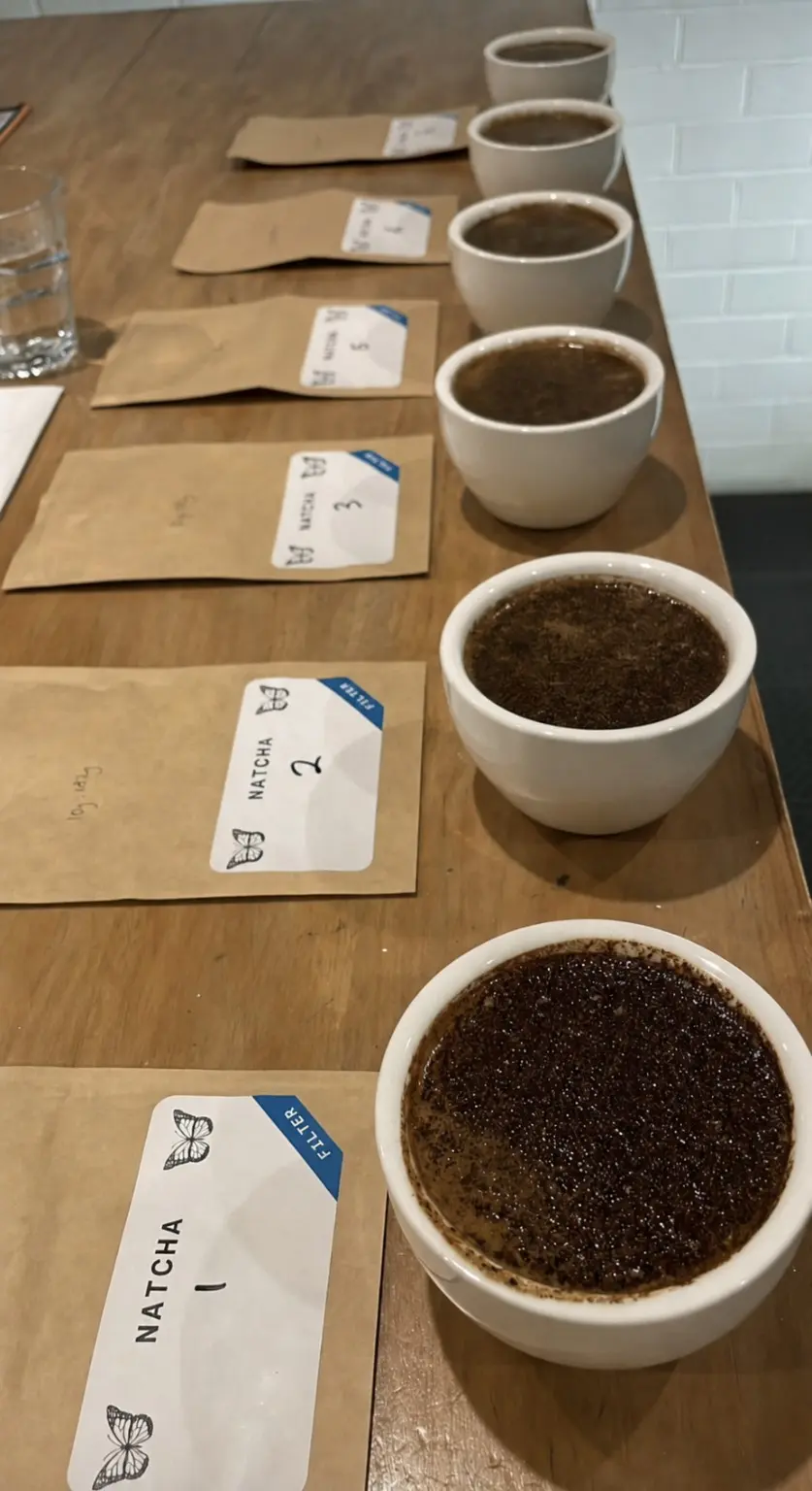
Documentary blind cupping · numbered NATCHA samples
From process to product
The processing foundation continues through Divinum, NATCHA X, freeze-dried coffee, roasted beans and green beans. The catalogue keeps every buyer route clear.
Buyer assurance
Confirmed origin, altitude, process and sensory information for the offered lot.
A sample route suited to the format and the buyer’s intended application.
Quantity, packaging, timing and documentation agreed against current availability.